
Breeds of Sausage Dog
Are you a fan of those charming little dogs with long bodies and short legs? You’re not alone! Dachshunds, affectionately known as sausage dogs, have captured the hearts of many with their unique appearance and lively personalities. But did you know there are various breeds and types of Dachshunds? Let’s explore the wonderful world of sausage dogs and learn about their different breeds.
The Essence of Dachshunds
A Brief History of Dachshunds
Dachshunds were originally bred in Germany for hunting badgers and other burrowing animals. Their distinctive shape allowed them to dig into burrows and pursue their quarry underground. Over the years, they have evolved into beloved companions, showcasing a playful spirit that complements their daring nature. This transformation from hunters to lap dogs has made them popular across various cultures.
Understanding the Dachshund’s Unique Structure
The Dachshund’s long body and short legs give them a playful and comical appearance. This anatomical design is not just for show; it serves a purpose. Their elongated spine allows them to navigate tight spaces, while their powerful legs provide the strength to dig and chase. This combination of form and function is part of what makes them such fascinating pets.
Variations in Coat and Size
The Three Coat Types
Dachshunds come in three distinct coat types, affecting their appearance and how you care for them.
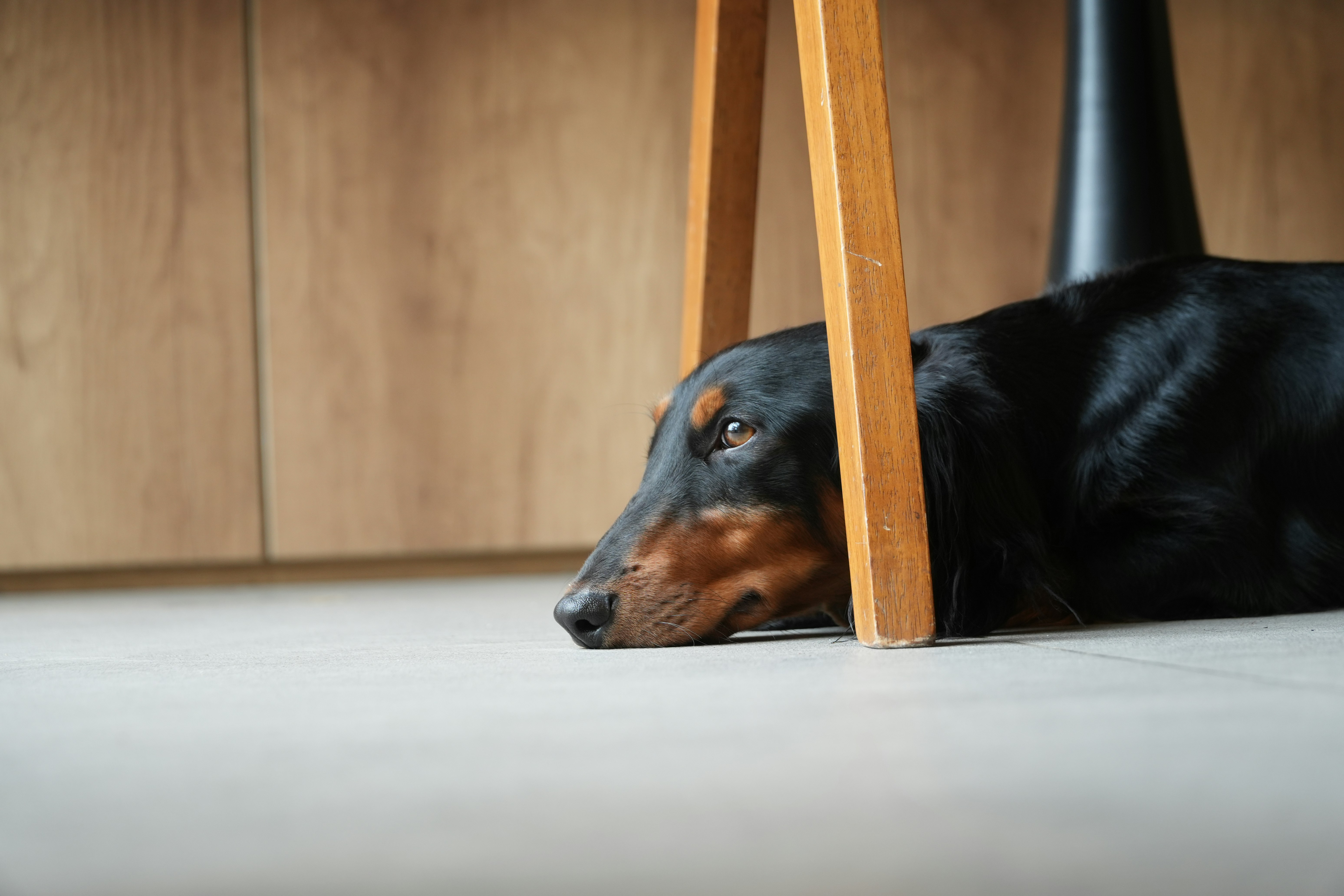
- Smooth Dachshund: This variety has short, shiny fur that lies close to the body. Their coat requires minimal grooming, making them a low-maintenance option for busy individuals.
- Long-haired Dachshund: This breed exudes elegance with soft, flowing fur. However, its fur requires regular grooming to prevent matting and maintain its beauty.
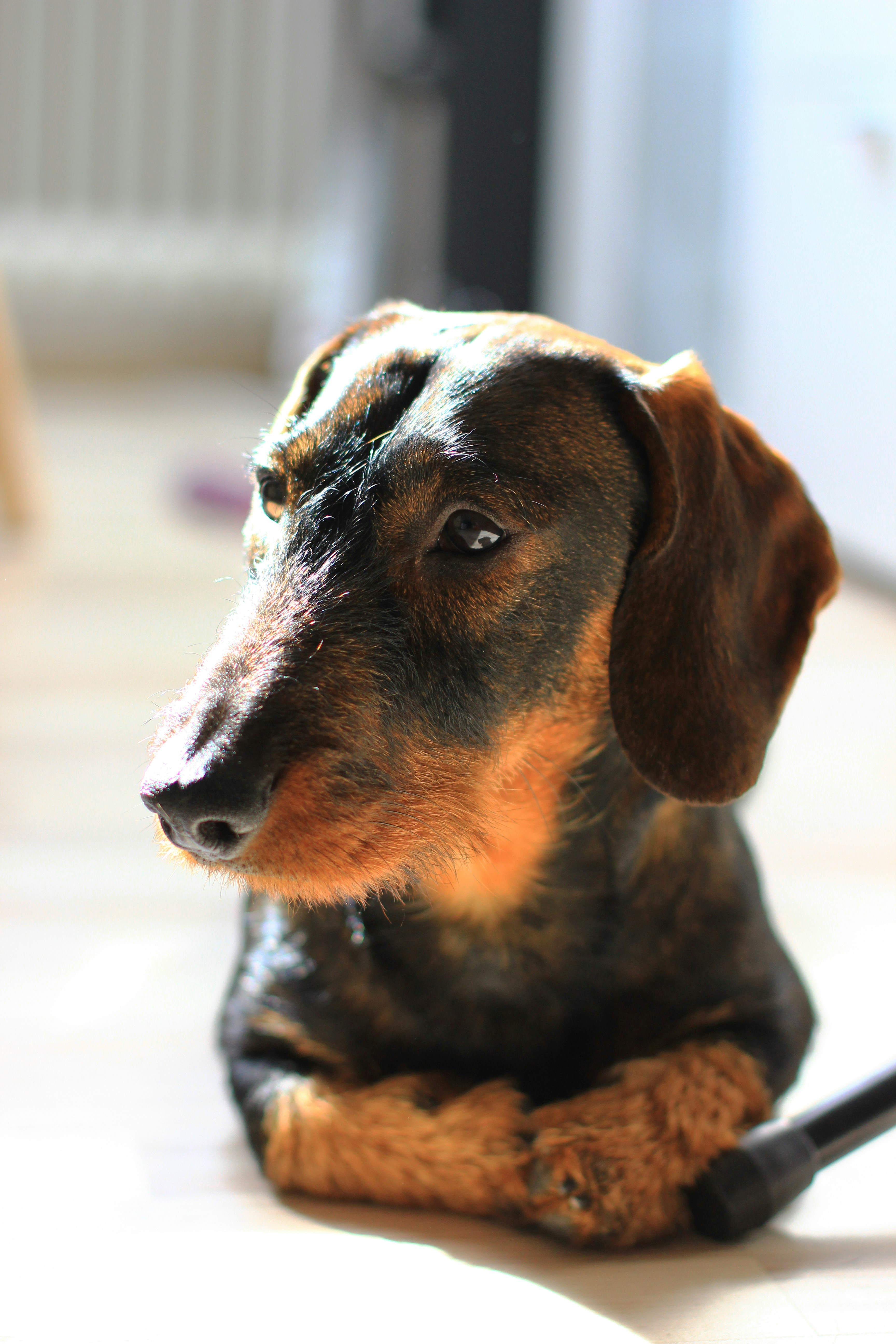
- Wire-haired Dachshund: This breed showcases a coarse, bristly coat that is very distinct. They need regular grooming to keep their coat healthy and tidy, but due to their less-shedding tendency, they are often thought to be good for allergy sufferers.
Size Variations
Dachshunds also come in two size variations, contributing to their charm.
- Standard Dachshund: These dogs are the most common, typically weighing between 16 and 32 pounds. Their robust nature makes them well-suited for various activities and environments.
- Miniature Dachshund: Weighing 11 pounds or less, miniature Dachshunds are perfect for those who prefer a smaller companion. Despite their diminutive size, they possess the same energetic and playful spirit as their larger counterparts.
This image is property of images.unsplash.com.
Breeds Within the Dachshund Family
Traditional Dachshund Breeds
Dachshunds can be categorized into three main types based on their use and characteristics:
- Show Dachshund: These dogs are bred according to strict standards set forth by various kennel clubs. They’re often seen in conformation shows and display characteristics that align closely with breed standards.
- Field Dachshund: Often a bit taller and longer than their show counterparts, field Dachshunds are bred more for function than for conformity to show standards. They typically have more stamina and a strong hunting instinct, making them ideal for active families.
- Pet Dachshund: This category includes mixed breeds or those who don’t conform strictly to breed standards. Dachshunds are lovable companions with unique qualities that make them special.
Exploring Dachshund Colors and Patterns
Dachshunds are available in a multitude of colours and patterns, enhancing their individuality.
- Solid Colors: Common colours include red, cream, and chocolate. These solid shades are often the easiest to spot and maintain a classic look.
- Dappled Patterns: This pattern characterizes a unique combination of light and dark patches, often leading to stunning appearances. However, these Dachshunds may be more prone to certain health issues, so responsible breeding practices are vital.
- Brindle: This striking pattern features a streaked or striped effect and can be found in any base colour. Brindle Dachshunds often catch the eye wherever they go.
- Piebald: These Dachshunds have a mixture of white and coloured patches. Their whimsical appearance is a favourite among many enthusiasts.
Health Considerations for Dachshunds
Common Health Issues
While Dachshunds are generally healthy dogs, there are specific health concerns to be mindful of, primarily due to their unique body structure.
- Intervertebral Disc Disease (IVDD): Dachshunds’ elongated spines can increase their risk of disc problems. Regular check-ups with your veterinarian can help monitor and mitigate this risk.
- Obesity: Dachshunds can easily become overweight due to their love of food and decreased physical activity. Monitoring their diet and ensuring they get ample exercise is crucial to maintaining their health.
- Dental Problems: Dachshunds are prone to dental issues since their mouth shape can lead to overcrowded teeth. Regular dental check-ups and good oral hygiene can prevent these issues.
Preventative Care
Ensuring your Dachshund lives a long, healthy life requires proactive care.
- Regular Vet Visits: Routine check-ups help catch any health issues early and keep vaccinations up to date.
- Balanced Diet: Your sausage dog needs a diet formulated for its size and age. Consult your veterinarian for recommendations on the best food.
- Activity and Exercise: Regular physical activity will help your Dachshund maintain its weight and keep it happy.
This image is property of images.unsplash.com.
Personality Traits of Dachshunds
Lively and Playful Nature
Dachshunds are known for their lively personalities. They’re often described as courageous, curious, and full of spirit. This breed loves to play and may have a strong prey drive due to their hunting heritage, making fetch, chase, and hide-and-seek games especially enjoyable for them.
Loyalty and Affection
Dachshunds are incredibly loyal to their families. They love to spend time with their human companions and often form strong bonds. They might follow you around the house or snuggle up on the couch. Their affectionate nature makes them great family pets, and they often get along well with children and other animals.
Independent Streak
While Dachshunds are generally friendly, they can also be quite independent. This trait, stemming from their hunting background, may sometimes lead them to have a mind of their own. You might find that training requires patience and consistency, but the rewards of a well-behaved Dachshund are well worth the effort.
Training Your Dachshund
Basic Commands
Starting with basic commands is essential for educating your Dachshund. Commands like “sit,” “stay,” and “come” should be taught using positive reinforcement techniques. Offering treats and praise helps to encourage your sausage dog to learn and engage.
Socialization
Socializing your Dachshund from a young age is crucial. Exposing them to various situations, people, and other animals helps build their confidence and reduces fear-based aggression. Regular outings to parks or puppy classes can aid in developing a well-adjusted dog.
Addressing Stubbornness
Dachshunds can display a stubborn streak, which may make training challenging. Use patience, consistency, and fun training methods to keep your dog engaged. Remember, frequent training sessions often yield better results than longer, more tedious ones.
This image is property of images.unsplash.com.
Living with a Dachshund
Ideal Living Conditions
Dachshunds are adaptable dogs, but they thrive in environments where they can receive plenty of love and attention. They can do well in apartments as long as they receive regular exercise. Ensure your space is safe for them, especially if they’re prone to jumping.
Exercise Requirements
While they may not require hours of activity each day, Dachshunds do need regular exercise to maintain their physical health and happiness. Short walks, playtime in the yard, and interactive games will help keep them fit and mentally stimulated.
Grooming and Care
Grooming needs vary by coat type.
| Coat Type | Grooming Needs |
|---|---|
| Smooth | Minimal, occasional brushing is sufficient. |
| Long-Haired | Regular brushing (2-3 times a week) is required to prevent matting. |
| Wire-Haired | Needs regular grooming and occasional hand stripping. |
Regular nail trimming and dental care should also be prioritized for overall health.
The Joy of Owning a Dachshund
Understanding Their Quirks
Dachshunds have distinctive quirks that endear them to many owners. From their playful antics to their tendency to bark at the strangest things, there is never a dull moment with a Dachshund in your home. Embrace their uniqueness and enjoy the laughter they bring.
Building a Relationship
Building a strong relationship with your Dachshund takes time and effort, but the payoff is immense. By dedicating yourself to training, socialization, and love, you’ll create a lifetime bond.
Community of Dachshund Lovers
Joining a community of Dachshund enthusiasts can enrich your experience. Whether it’s Facebook groups, online forums, or local meetups, connecting with fellow owners provides an opportunity to share stories, advice, and resources.

Conclusion
Now that you’ve learned about the various breeds of Dachshunds, their unique characteristics, and the joys and challenges of companionship, you are well on your way to understanding these delightful sausage dogs better. Each Dachshund brings their own flavour to the family dynamic, providing love, laughter, and loyalty. Whether you choose a smooth, long-haired, or wire-haired variety, you will surely find that owning a Dachshund is a rewarding experience filled with infinite joy. So, are you ready to embrace the wonderful world of sausage dogs and perhaps invite one into your life?